

For the Igbo people of southeastern Nigeria, migration is not just a socio-economic necessity; it is a profound cultural trait. Wherever they go, Ndị Igbo carry their vibrant traditions, enterprising spirit, and deep-seated sense of community. At the heart of t wehis cultural preservation in the diaspora is the institution of the Eze Ndigbo (King of the Igbo).
However, particularly within Africa and other parts of Nigeria, this title has been a subject of intense misrepresentation and controversy. Many view it through a lens of territorial threat or traditional overreach, fundamentally misunderstanding its purpose. This article provides a comprehensive exploration of the true meaning, cultural significance, and historical context of the Eze Ndigbo, separating fact from misconception.
1. The Historical Context: “Igbo Enwe Eze”
To understand the Eze Ndigbo in the diaspora, one must first understand traditional Igbo political philosophy. A famous Igbo adage states, “Igbo enwe eze” (The Igbo have no king).
Unlike the centralized monarchies of their Yoruba or Hausa-Fulani neighbors, pre-colonial Igbo societies were largely egalitarian, republican, and decentralized. Authority rested not in a single absolute monarch, but in a complex web of consensus-building bodies: the Ndichie (Council of Elders), Nze na Ozo (Title holders), Umuada (Daughters of the lineage), and town assemblies.
While some Igbo communities (like Onitsha or Nri) had long-standing traditional rulers, the concept of a pan-Igbo king or a centralized monarchy is historically alien. Therefore, the emergence of the “Eze Ndigbo” is not a continuation of ancient territorial monarchy, but rather an adaptive socio-cultural innovation born out of necessity.
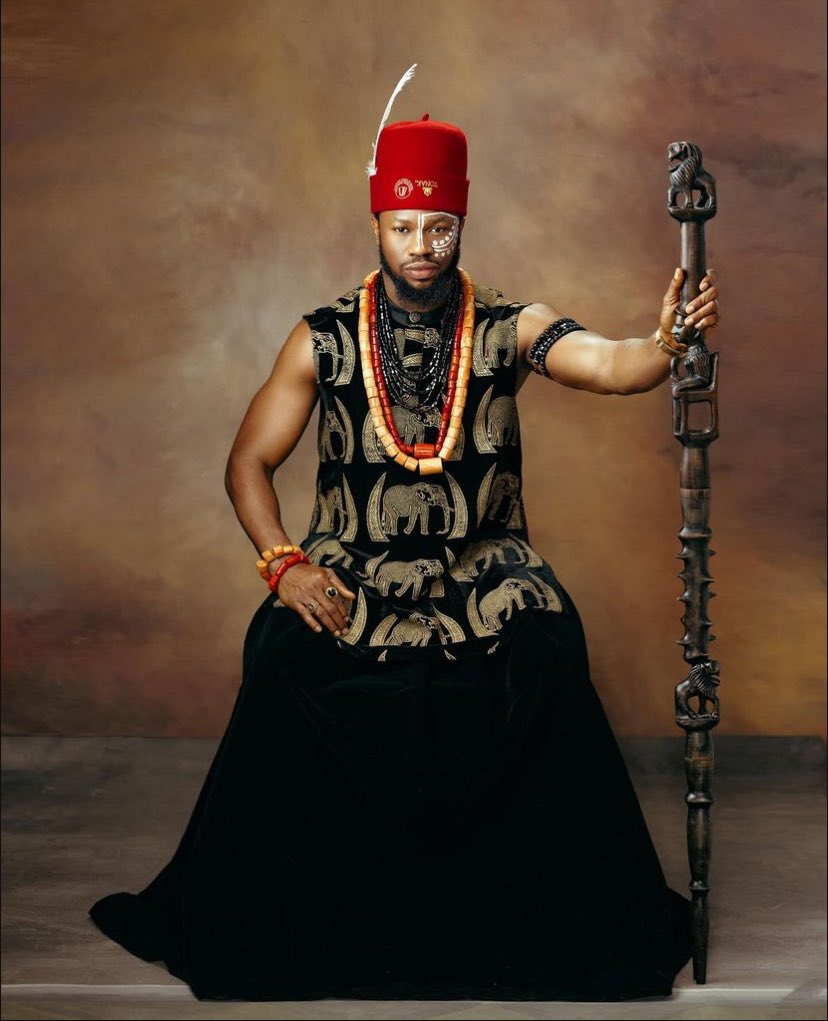
2. The True Meaning and Role of Eze Ndigbo
When Ndị Igbo migrate and settle in large numbers outside their ancestral homeland—whether in Lagos, Kano, Accra, Johannesburg, London, or Dallas—they form a diaspora community. The “Eze Ndigbo” is the elected or consensus-appointed leader of this specific diasporic community.
Their role is not sovereign or territorial. Instead, it is strictly cultural and administrative. The primary responsibilities include:
- Cultural Preservation: Organizing and leading cultural festivals, most notably the Iri Ji (New Yam Festival), which serves as a powerful reminder of agricultural heritage and the Igbo calendar.
- Dispute Resolution: Serving as an alternative dispute resolution mechanism. The Eze and his cabinet mediate civil disagreements, business disputes, and marital issues among Igbos in the host community, preventing these matters from unnecessarily burdening the host country’s legal system.
- Liaison and Diplomacy: Acting as the official bridge between the Igbo community and the host government or local traditional rulers. If the host community needs to communicate with the Igbo population, the Eze Ndigbo serves as the recognized point of contact.
- Social Welfare: Organizing support networks for Igbos in distress, facilitating repatriations of the deceased back to Igboland, and driving community development projects.
“The Eze Ndigbo in the diaspora is a cultural ambassador, a unifier, and a custodian of heritage, not a territorial monarch.”
3. The African Misrepresentation: Unpacking the Controversy
Despite its noble intentions, the Eze Ndigbo institution has faced severe pushback, particularly from host communities in other parts of Nigeria (like Lagos and Kano) and in other African nations.

The Illusion of a Parallel Monarchy

The primary misconception is that the Eze Ndigbo is attempting to establish a “parallel monarchy” within the jurisdiction of an existing host monarch (e.g., the Oba of Lagos or the Emir of Kano). Because the title “Eze” translates directly to “King,” host communities often interpret this as a direct challenge to their native ruler’s territorial sovereignty.
The Homeland Backlash
Interestingly, the controversy does not only come from outsiders. Recognized traditional rulers in the South-East (Igboland) have also pushed back against the title, arguing that it cheapens the revered traditional institutions of the homeland. They argue that one cannot be a “King” over a people outside the ancestral land.
The Pragmatic Resolution
To correct this friction and validate the concerns of host communities, Ohanaeze Ndigbo (the apex Igbo socio-cultural organization) and the South-East Council of Traditional Rulers have repeatedly intervened. They laid down specific guidelines, clarifying that diaspora leaders should adopt titles like:
- Onye Ndu Ndigbo: Leader of the Igbo
- Eze Udo: King of Peace
These adjustments in nomenclature maintain the dignity and function of the role while gently assuaging the political anxieties of host communities.
4. Significance for Ndị Igbo in the Diaspora
Living away from the ancestral homeland carries the risk of cultural assimilation and loss of identity, especially for the younger generation (the Umu Igbo born in the diaspora). The Eze Ndigbo institution is a crucial bulwark against this cultural erosion.
A. Anchoring Identity
For an Igbo child born in South Africa or the United States, the concept of an ancestral village might seem abstract. The palace of the Eze Ndigbo and the festivals he hosts provide a tangible, localized experience of Igbo culture. It is where the Igbo language is spoken freely, where kola nut (Oji) is broken with traditional incantations, and where traditional dances are performed.
B. Unity and Collective Security
The Igbo philosophy of “Igwe bu ike” (There is strength in numbers) is materialized through the Eze Ndigbo. The institution creates a centralized registry and support system. In times of xenophobic attacks or political marginalization in host countries, the Eze Ndigbo rallies the people, organizes relief, and negotiates for the safety of his people with host authorities.
C. Fostering the “Think Home” Philosophy
The Eze Ndigbo acts as a tether to the homeland. They actively promote the “Aku luo uno” (Wealth must reach home) philosophy, encouraging diaspora Igbos to invest their wealth, skills, and education back into the South-East, ensuring the economic development of their roots.
The misrepresentation of the Eze Ndigbo title stems from a clash between the literal translation of the word “King” and the nuanced, adaptive reality of diaspora administration.
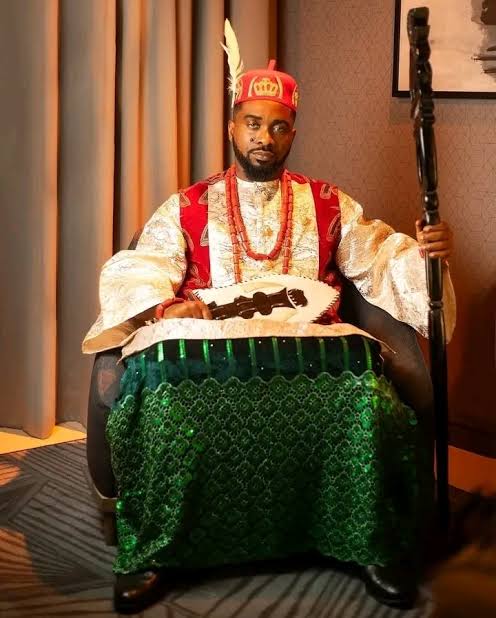
When grounded in facts and reality, it is clear that the Eze Ndigbo is not an imperial conqueror or a usurper of host territories. Rather, he is a cultural custodian, a peacemaker, and an essential anchor for a highly mobile ethnic group. For Ndị Igbo living in the diaspora, the Eze is the living embodiment of their roots—a reminder that no matter how far the eagle flies, it must never forget the ancestral tree from which it took off.
Research References & Further Reading
For deeper historical and sociological context, the following frameworks and texts inform this reality:
- Ohanaeze Ndigbo Official Guidelines on Diaspora Leadership: Policy documents detailing the shift from “Eze Ndigbo” to “Eze Udo” to respect host communities’ sensitivities.
- Isichei, Elizabeth. A History of the Igbo People. (1976): Provides foundational context on the decentralized nature of pre-colonial Igbo political structures (“Igbo enwe eze”).
- Uchendu, Victor C. The Igbo of Southeast Nigeria. (1965): A classic anthropological study exploring Igbo migration patterns and adaptive socio-cultural institutions.
- Trager, Lillian. Yoruba Hometowns: Community, Identity, and Development in Nigeria: (While Yoruba-focused, this provides comparative academic insight into how Nigerian ethnic groups utilize diaspora leadership and hometown associations for survival and diplomacy).
- Nwagbara, E. N. (2007). The Eze Ndigbo Institution in the Diaspora: A Study of Intra-Ethnic Relations in Nigeria. Academic exploration of the specific tensions between Igbo diaspora leaders and host traditional rulers in Northern and Western Nigeria.