afriker

90 Posts
Colorism in Ancient Kemet: A Myth or Reality?

Colorism in Ancient Kemet: A Myth or Reality?

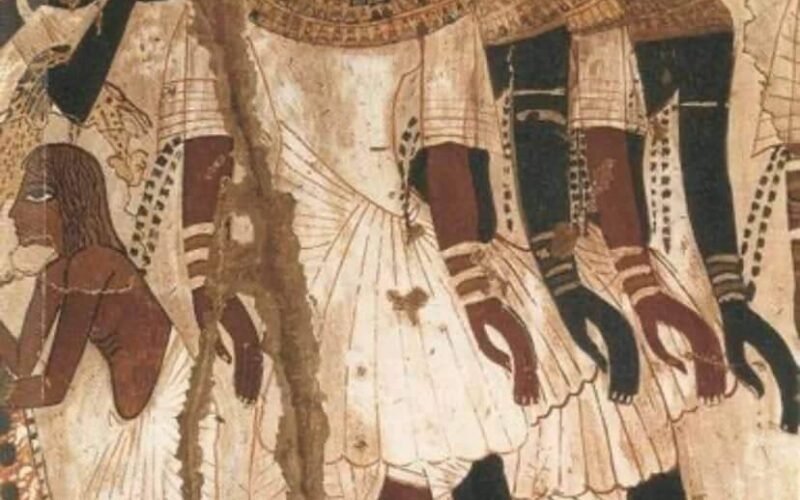
Colorism—the preference for lighter skin tones—has been a painful issue in many modern societies, but what about in ancient Kemet (Egypt)? Today, we often project our biases onto the past, assuming that ancient civilizations shared our struggles with skin tone discrimination. But the evidence tells a different story. The Know Thyself Institute argues that ancient Kemet celebrated all phenotypes, from the jet-black skin of Nubians to the high yellow tones of Ethiopian Highlanders, with no trace of colorism (Know Thyself Institute, 2025). Imagine a society where diversity was a source of pride, not prejudice—a stark contrast to today’s world. This…
Read More
The Sahel’s Contribution to Nile Valley Astronomy

The Sahel’s Contribution to Nile Valley Astronomy

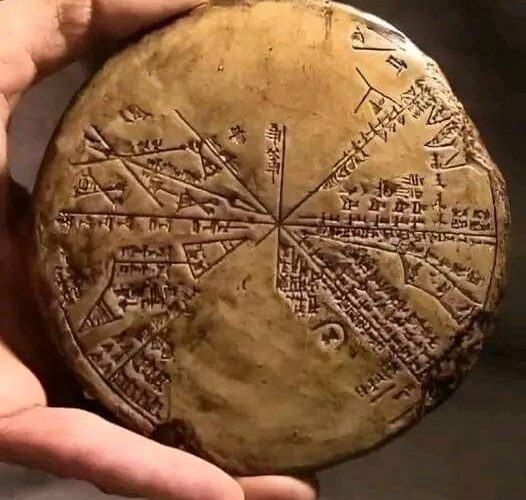
The Sahel, that vast stretch of semi-arid land south of the Sahara, might not be the first place you think of when imagining the origins of ancient astronomy—but it played a surprising role in the Nile Valley’s scientific advancements. From star charts to seasonal predictions, the Sahel’s nomadic peoples shared knowledge that helped shape the astronomical innovations of ancient Kemet (Egypt). The Know Thyself Institute points out that these exchanges were part of a broader African network, where diverse phenotypes—from the Sahel’s deep brown tones to Nubia’s onyx black—came together in a shared pursuit of knowledge (Know Thyself Institute, 2025).…
Read More
Horn of Africa’s Influence on Nile Valley Innovations

Horn of Africa’s Influence on Nile Valley Innovations

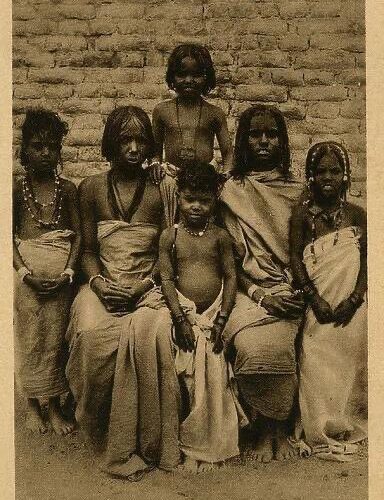
The Horn of Africa—think modern-day Ethiopia, Eritrea, and Somalia—might seem far removed from the pyramids of Egypt, but in ancient times, it was a vital part of the Nile Valley’s story. Populations from the Horn, known for their high yellow complexions, interacted with Nubia and Kemet, sharing knowledge in astronomy, ethics, and agriculture that helped shape one of history’s greatest civilizations. The Know Thyself Institute highlights how these exchanges created a cultural network that stretched across Northeast Africa, uniting diverse peoples in a shared quest for innovation (Know Thyself Institute, 2025). Picture a time when ideas flowed as freely as…
Read More
Exploring the Phenotypical Diversity of Nile Valley Civilizations

Exploring the Phenotypical Diversity of Nile Valley Civilizations

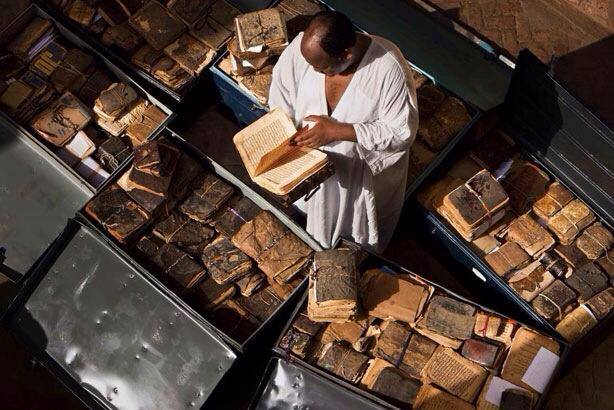
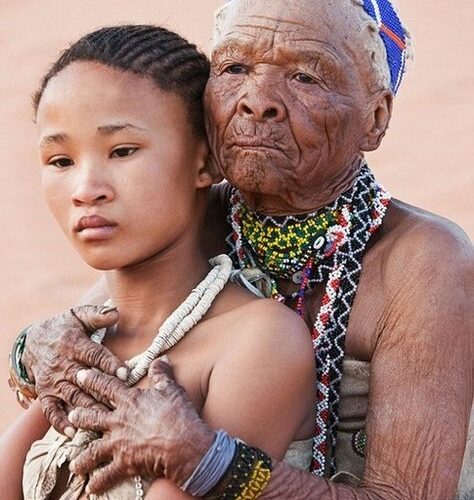
The Nile Valley, often hailed as the cradle of human civilization, wasn’t just a hub for groundbreaking innovations in architecture, astronomy, and governance—it was also a vibrant mosaic of African phenotypical diversity. Imagine a place where the jet-black skin of South Sudanese people stood alongside the citrine yellow tones of the Khoisan, the reddish-brown hues of Upper Egyptians, and the high yellow complexions of Ethiopian Highlanders. According to the Know Thyself Institute, ancient Kemet (Egypt) celebrated this diversity, with no trace of the colorism that plagues modern societies. Instead, the Nile Valley was a cultural crossroads, where Nubia, Egypt, the…
Read More
Exploring the Rich Tapestry of North African History

Exploring the Rich Tapestry of North African History

North Africa, a region bridging the African continent with Europe and the Middle East, boasts a history as diverse as its landscapes. From the ancient pyramids of Egypt to the bustling markets of Morocco, the tapestry of North African history is woven with tales of conquest, trade, culture, and resilience. This article embarks on a journey through time, exploring the pivotal moments and civilizations that have left indelible marks on the region.​ Ancient Civilizations: The Foundations of North Africa Ancient Egypt: The Cradle of Civilization Emerging around 3100 BCE, ancient Egypt stands as one of the world's earliest and most…
Read More
Unveiling Africa’s Ancient Civilizations: A Journey Through History Before European Arrival

Unveiling Africa’s Ancient Civilizations: A Journey Through History Before European Arrival

Africa's history is often overshadowed by Eurocentric narratives, but this article challenges this misconception with a stunning showcase of the continent's ancient civilizations. Some people still don't know that Africa has a history before Europeans arrived. On this article I will highlights six African civilizations that flourished long before European contact. Let’s embark on a journey through these remarkable civilizations, exploring their achievements and enduring legacies. Africa’s Pre-Colonial Legacy: A Tapestry of Innovation and Power Africa is often referred to as the cradle of humanity, but its contributions to global history extend far beyond its role as the birthplace of…
Read More
Uncovering African History: Chancellor Williams’ 6-Step Process in The Destruction of Black Civilization

Uncovering African History: Chancellor Williams’ 6-Step Process in The Destruction of Black Civilization

This article has brought renewed attention to a historical work in African which includes: The Destruction of Black Civilization by Chancellor Williams, highlighting his 6-step process for discovering the truth about African history—a method that has inspired scholars and enthusiasts alike for decades. Published in 1974 after over 20 years of research, Williams’ book remains a cornerstone for understanding the continent’s past, from the origins of humanity to the fight for independence. Chancellor Williams and The Destruction of Black Civilization Chancellor Williams (1893–1992) was an African American historian, sociologist, and educator whose work challenged Eurocentric narratives about Africa. His magnum…
Read More
Africa’s Glorious Kingdoms: A Legacy of Power and Wisdom

Africa’s Glorious Kingdoms: A Legacy of Power and Wisdom

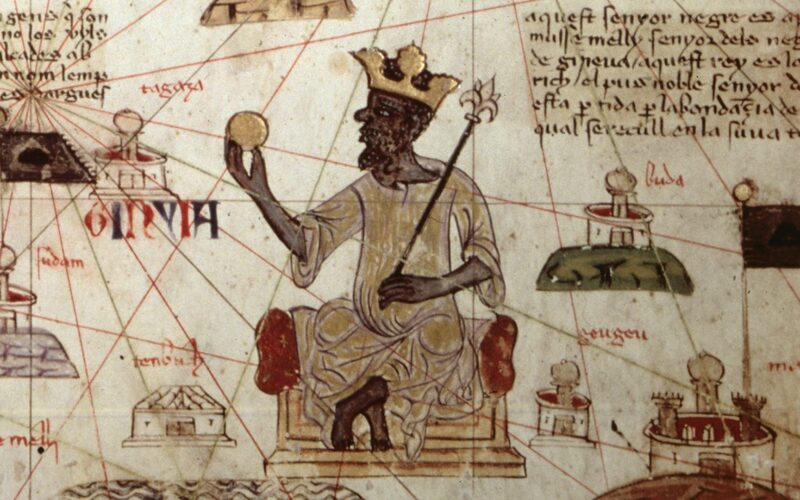
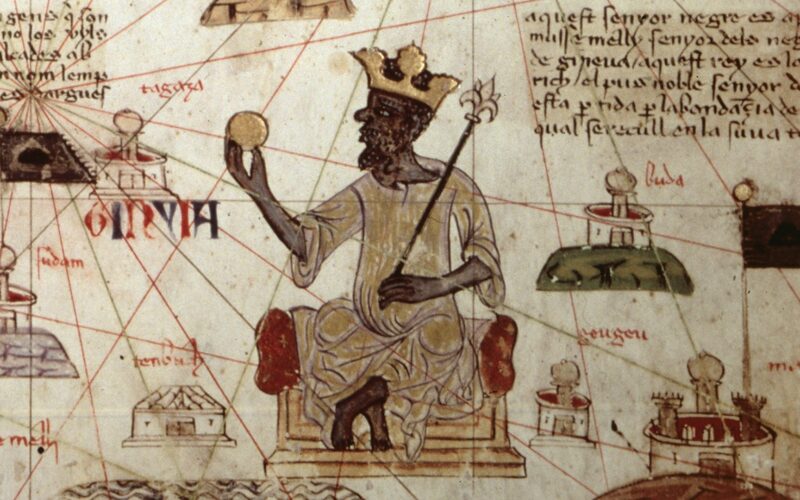
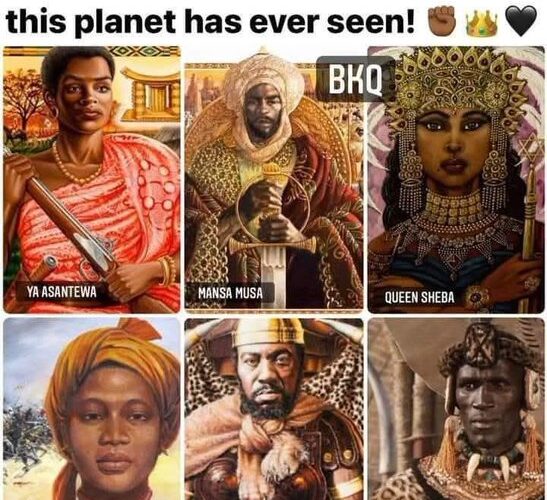
Africa’s history is a tapestry of mighty empires that shaped the continent and influenced the world. From the gold-rich Mali Empire to the architectural marvels of Great Zimbabwe, African kingdoms demonstrated innovation, wealth, and cultural sophistication long before European colonization. Yaa Asantewaa: The Fearless Warrior Queen of the Ashanti Yaa Asantewaa, often celebrated as a symbol of resistance, was a queen mother of the Ashanti Empire in present-day Ghana. Born in the mid-1800s, she rose to prominence during a time of colonial oppression. In 1900, when the British demanded the Golden Stool—the sacred symbol of Ashanti unity—and exiled the Ashanti…
Read More
The Rise of “Kenya First” Music: A Cultural Revolution Through Festivals and Digital Streaming

The Rise of “Kenya First” Music: A Cultural Revolution Through Festivals and Digital Streaming

I still remember the days when my Walkman was my best friend. Growing up in the late '80s and early '90s, I’d eagerly wait for the latest New Jack Swing, Soul, and R&B tracks from the US to hit the airwaves in Kenya. Artists like Bobby Brown, Whitney Houston, and Boyz II Men were the soundtrack of my teenage years, their voices crackling through my earphones as I walked the dusty streets of Nairobi. Back then, Western music was king—our local airwaves were dominated by foreign hits, and for many of us, that was the pinnacle of cool. But fast-forward…
Read More
Kenya’s Real Crisis Isn’t Debt or Corruption – It’s Demographic Time Bomb

Kenya’s Real Crisis Isn’t Debt or Corruption – It’s Demographic Time Bomb

When you scroll through news headlines or flip through local debates, you’ll almost always find discussions about Kenya’s rising debt, rampant corruption, or political divisions. And while those are certainly urgent issues, there’s an even bigger problem quietly growing in the background—largely unspoken, rarely debated, but dangerously underestimated: our population demographics. This is not just a numbers issue. This is a human issue. It’s a crisis about opportunity, stability, and survival. Kenya’s demographic structure is the elephant in the room, and unless we start talking about it, planning for it, and acting on it, we will soon find ourselves overwhelmed…
Read More